

When I went to school at the University at Albany, I lived in the downtown dorms which meant that if I wanted to have a car I had to deal with street parking. During my first snowstorm I heard on the radio that a Snow Emergency was in effect, and that all of the cars parked on […]
Archive | Disaster Management RSS feed for this archive


Call for Proposals: Disaster Planning for Archives
One of the things that can really impact local businesses, cultural institutions and residents after a disaster is the loss of paper and digital records. Loss of vital records can delay all sorts of recovery: Imagine trying to get emergency loans without any poof of identification, contacting clients without contact information, just accessing your digital […]
Urban Trauma: How the City Deals with Disaster
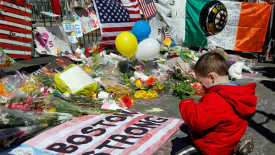
The presence of trauma in the arts is nothing new. Its creation is therapeutic, and its legacy is even stronger: trauma art is some of the most famous artistic creations because they give meaning to an insurmountable feeling that is felt by an entire population. These people, who come together over the art, form a […]
1,100 Dead in Dhaka Building Collapse
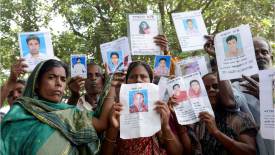
More than a thousand people are dead in a Dhaka garment factory; world’s worst industrial disaster since 1984 Bhopal Tragedy. The question is who is responsible for the death of 1,100 people in Dhaka, Bangladesh? A several-story building filled with garment factory workers collapsed in Dhaka killing more than a thousand people. This is not the first […]
EVENT: 5/4/2013 OpenUrban Map-a-thon
What: OpenUrban is hosting an urban development map-a-thon as part of the New Museum’s Ideas City Festival When: Saturday, May 4th, 2013 at 10:30 a.m. Where: The New School, 66 W. 12th Street (Orozco Room, 7th Floor), New York, NY For Whom: This should be of interest to urban planners, urban designers, architects, community mapping […]
Monday, yet again…
Last week was awful. So I found it particularly challenging to come up with a topic for today. I am hoping at least one of these shorter topics might be of interest depending on your desire to think about last week or not… The West, Texas fertilizer plant explosion has apparently sparked some controversy over […]
Disaster-proofing transit systems: Tel Aviv’s Red Line
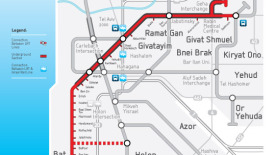
Public transportation systems can be a great source of pride for cities. Places like New York City, London, and Moscow wouldn’t and couldn’t be themselves without their subway systems; their iconic undergrounds help define the identities of these cities. The relatively high ridership of these subway systems (by residents and visitors alike) has undoubtedly contributed […]
Communities’ Role in Disaster Management
One of the things that has not gotten enough attention in post-Sandy New York City (in my opinion) is community level disaster management strategies. Most people rely on the government’s response, but there is a lot that communities can do to help themselves and help responders. When dealing with disasters, the police, firemen, and EMTs […]
Distributed Energy and Disaster Resiliency
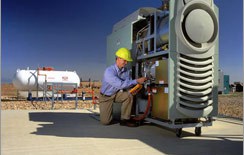
By the end of November 2012, New York City’s Department of Buildings “red-tagged”, or rapidly assessed, over 870 buildings as being unsafe due to the impacts of Hurricane Sandy. Out of these, only five were taller than 50’ and only nine were less than 10 years old (only one building, located in Staten Island and […]
Historical Hurricane Data
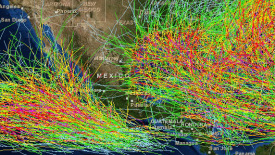
I have been looking around the internet at how hurricane data over time is shared and visualized and wanted to share some of what I came across… The National Oceanic and Atmospheric Administration (NOAA) is typically the go to place for Americans and many others for any hurricane data. They happen to have an online […]